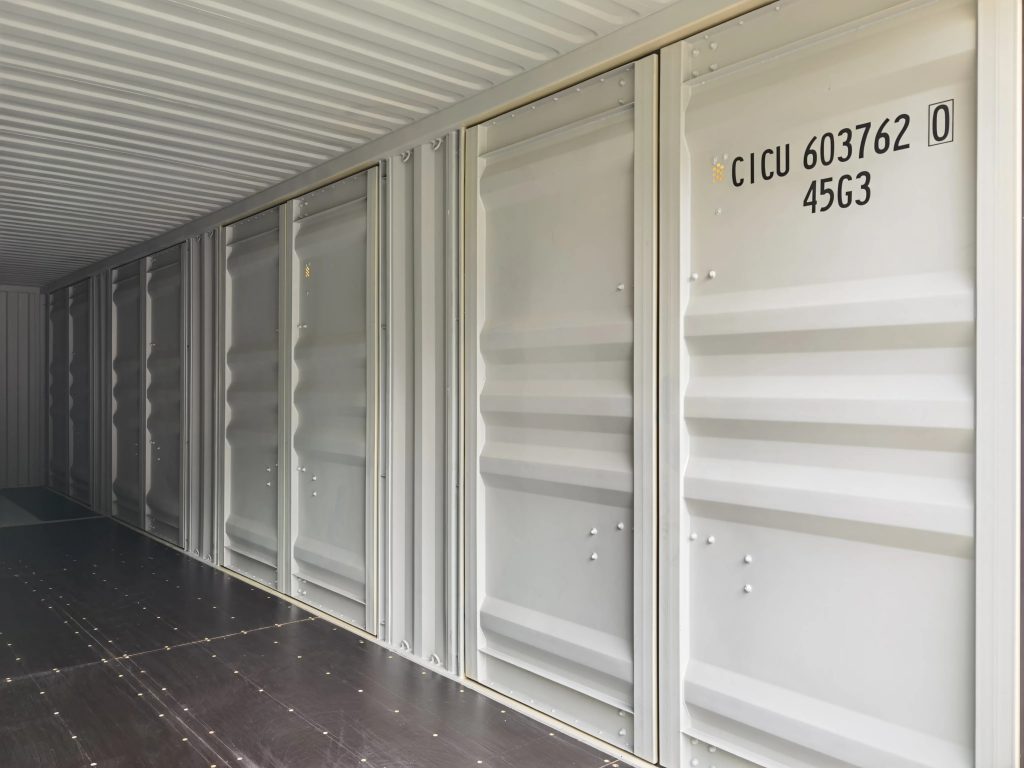
The Versatility of 45-Foot Containers: A Comprehensive Guide
As international trade continues to broaden, the need for effective shipping techniques has never ever been more vital. One crucial gamer in the shipping market is the standard shipping container. While 20-foot and 40-foot containers dominate the market, the 45-foot container is becoming progressively popular. This blog post will talk about everything you need to understand about 45-foot containers, including their specs, uses, advantages, and regularly asked questions.
What is a 45-Foot Container?
A 45-foot container, as its name shows, is a cargo container that is 45 feet long. These containers are created to offer additional area for cargo, enabling for the transportation of bigger shipments without needing numerous systems. They fall under the category of intermodal containers, which suggests they can be transferred by ship, truck, or rail.
Specs of a 45-Foot Container
The following table offers a clear summary of the dimensions and capacities of a 45-foot container.
| Specification | Information |
|---|---|
| External Length | 45 ft (13.7 m) |
| External Width | 8 ft (2.44 m) |
| External Height | 9.5 ft (2.89 m) |
| Interior Length | 44 ft 10 in (13.65 m) |
| Interior Width | 7 ft 9 in (2.35 m) |
| Interior Height | 8 ft 6 in (2.59 m) |
| Maximum Gross Weight | 67,196 lbs (30,480 kg) |
| Tare Weight | 8,666 lbs (3,920 kg) |
| Maximum Payload | 58,530 lbs (26,580 kg) |
| Cubic Capacity | 3,020 ft ³( |
85.5 m THREE)Benefits of Using a 45-Foot Container
The growing popularity of 45-foot containers can be attributed to several advantages they provide:
1. Increased Capacity
One of the most considerable advantages of 45-foot containers is their increased capacity compared to basic 40-foot containers. This additional area enables shippers to transfer more items in a single shipping system, which is particularly helpful for organizations with big stocks or bulky items.
2. Cost-Effectiveness
By offering additional capacity, 45-foot containers can help in reducing shipping expenses on a per-unit basis. Less containers are required to carry the very same volume of items, lessening the costs connected with shipping logistics.
3. Versatile Applications
45-foot containers appropriate for carrying numerous types of cargo, consisting of machinery, equipment, building products, and perishable items when used as refrigerated containers. Their flexibility makes them an excellent choice for different industries.
4. Reduce of Use
Transporting products in a single 45-foot container is frequently much easier than handling several smaller sized containers. 45ft Steel Containers simplifies packing and dumping procedures, decreases dealing with time, and reduces the threat of damage throughout transportation.
Common Uses of 45-Foot Containers
The versatility of 45-foot containers makes them extremely sought after for various applications, including:
- Shipping Heavy Machinery: The extra area is best for large building and construction equipment that needs careful handling.
- Bulk Transportation: Businesses can transfer bulk items such as grains, chemicals, or basic materials in less containers.
- Refrigerated Goods: When equipped with reefer technology, 45-foot containers can efficiently carry temperature-sensitive items like food and pharmaceuticals.
- Short-term Storage: Due to their spacious interiors, they can serve as temporary storage units for items during logistical shifts.
Contrast with Other Container Sizes
When considering shipping containers, it's vital to comprehend how the 45-foot container compares to others. The table below sums up these contrasts.
| Container Type | Length | Cubic Capacity | Typical Use |
|---|---|---|---|
| 20-Foot Container | 20 ft | 1,169 ft ³ Small deliveries, individual storage | |
| 40-Foot Container | 40 ft | 2,390 ft ³ Standard freight shipping | |
| 45-Foot Container | 45 ft | 3,020 ft ³ Large deliveries, | machinery transportation Frequently Asked Questions |
(FAQs)1. What is the weight limit for a 45-foot
container? The maximum gross weight for a 45-foot container is usually around 67,196 lbs (30,480 kg ), while the optimum payload has to do with 58,530 pounds (26,580 kg). However, these limits can vary depending upon regulations, shipping lines, and particular container designs. 2. Can 45-foot containers be used for international shipping? Yes, 45-foot containers are universally accepted in worldwide shipping and can be quickly transported by ship, truck, or rail. 3. What are the typical kinds of 45-foot containers offered? There are several kinds of 45-foot containers, consisting of: Standard
Dry Containers: For basic cargo. Refrigerated Containers(Reefers)
: For temperature-sensitive products. Open-top Containers:
- For extra-large cargo. 4. How does one rent or acquire a 45-foot container? Organizations can rent or buy 45-foot containers through shipping companies, logistics companies, or specialized container dealerships. Costs can differ based on condition
, type, and area. 5. Are 45-foot containers
easier to transfer compared to smaller sizes? 45-foot containers use ease of usage by permitting the transportation of larger volumes of items in less systems, thus reducing the complexity of logistics preparing.
As shipping requirements evolve, so too do the solutions. The 45-foot container uses businesses a versatile, affordable, and efficient approach of transferring goods throughout different industries. Whether for heavy equipment, bulk deliveries, or cooled products, the 45-foot container stands out as an outstanding option for contemporary logistics. Understanding its specs, benefits, and applications will much better gear up organizations to make educated shipping decisions, eventually enhancing their functional performance.